
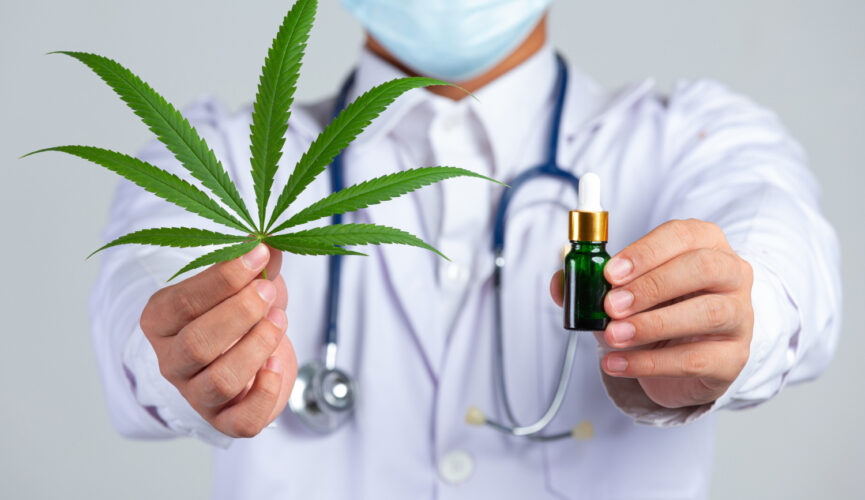
Medical science continues to adapt as new research emerges and patient expectations shift. In recent years, cannabis-based therapy has moved from controversy into structured medical discussion. Physicians do not recommend medical marijuana casually or without evaluation. Clinical decisions depend on diagnosis, prior treatment outcomes, symptom severity, and local legal frameworks. In many situations, cannabis is considered after standard therapies have delivered limited relief or caused significant side effects. The purpose is not experimentation but symptom control and improved quality of life. Patients often ask when this option becomes appropriate. The answer lies in clearly defined medical circumstances where evidence suggests potential benefit and where physician oversight remains central to safe use and responsible treatment planning.
Chronic Pain That Does Not Respond to Standard Therapies
Chronic pain is one of the most frequent reasons physicians may consider medical marijuana. Conditions such as neuropathy, arthritis, spinal injuries, and fibromyalgia can produce persistent discomfort that limits mobility and daily activity. Conventional treatments often include anti-inflammatory medications, physical therapy, nerve pain drugs, or opioids. However, some patients report insufficient relief or experience unwanted side effects like sedation or digestive distress. In selected cases, physicians evaluate cannabis-based options because cannabinoids interact with receptors involved in pain regulation. Evidence suggests certain formulations may reduce nerve-related pain and improve sleep. The decision typically follows careful review of medical history, current medications, and functional limitations rather than serving as a first-line solution.
Chemotherapy-Related Nausea and Appetite Suppression
Cancer treatment frequently brings severe nausea, vomiting, and appetite loss. These symptoms can weaken patients and interfere with nutritional stability during therapy. When conventional anti-nausea drugs fail to provide adequate relief, physicians may explore cannabis as a supportive treatment. THC-containing medications have demonstrated the ability to reduce chemotherapy-induced nausea and stimulate appetite in some patients. This recommendation is focused strictly on symptom management and maintaining strength during treatment cycles. Doctors assess dosage, cognitive tolerance, and overall health status before approval. The goal is to improve comfort and treatment adherence rather than replace established cancer therapies. In this context, cannabis functions as a complementary measure within a broader medical plan.
Treatment-Resistant Epilepsy and Seizure Disorders
Certain seizure disorders have drawn significant medical interest in cannabis-derived compounds, particularly cannabidiol (CBD). Research has shown that pharmaceutical-grade CBD can reduce seizure frequency in specific conditions such as Dravet syndrome and Lennox-Gastaut syndrome. Physicians consider this option primarily for patients whose seizures have not responded adequately to traditional anti-epileptic medications. Treatment requires close neurological supervision and standardized dosing. Doctors rely on approved formulations rather than unregulated products to maintain safety and consistency. While cannabis-based therapy does not eliminate seizures entirely in most cases, it may provide measurable improvement in carefully selected patients. Clinical judgment and ongoing monitoring remain essential throughout treatment.
Multiple Sclerosis and Muscle Spasticity

Multiple sclerosis can cause muscle stiffness, involuntary spasms, and neuropathic discomfort that interfere with daily function. When standard antispasmodic medications offer limited relief, physicians may consider cannabis-based therapies. Some research indicates that cannabinoid combinations can reduce muscle spasticity and improve patient-reported symptom relief. Individuals may experience better sleep and reduced muscle tension. Before recommending treatment, physicians evaluate balance, coordination, cognitive status, and potential interactions with existing medications. Cannabis is not universally effective for all MS patients, but it may serve as an alternative in cases where conventional therapies fall short. Decisions are individualized rather than routine.
Palliative and End-of-Life Symptom Management
In palliative care settings, the focus shifts from curing disease to alleviating discomfort and preserving dignity. Patients facing advanced illness may struggle with chronic pain, anxiety, insomnia, and appetite decline. When traditional medications create excessive sedation or fail to relieve symptoms, physicians may consider medical marijuana as part of a broader comfort plan. Cannabis may assist with pain reduction, relaxation, and appetite stimulation in certain individuals. The intention is compassionate symptom control under medical supervision. Physicians assess psychological history, cardiovascular health, and overall vulnerability before making recommendations. This approach emphasizes patient-centered care rather than experimental treatment.
Physicians suggest medical marijuana treatment in specific clinical situations where established therapies have provided limited success or unacceptable side effects. Chronic pain, chemotherapy-related nausea, certain seizure disorders, multiple sclerosis symptoms, and palliative care needs represent the most common circumstances. These recommendations are grounded in research evidence, patient history, and careful monitoring. Medical marijuana is not appropriate for every condition or individual, but in defined cases, it may offer meaningful symptom relief under professional guidance.